New Rules, Lower Prices, and Your Last Chance for Credits
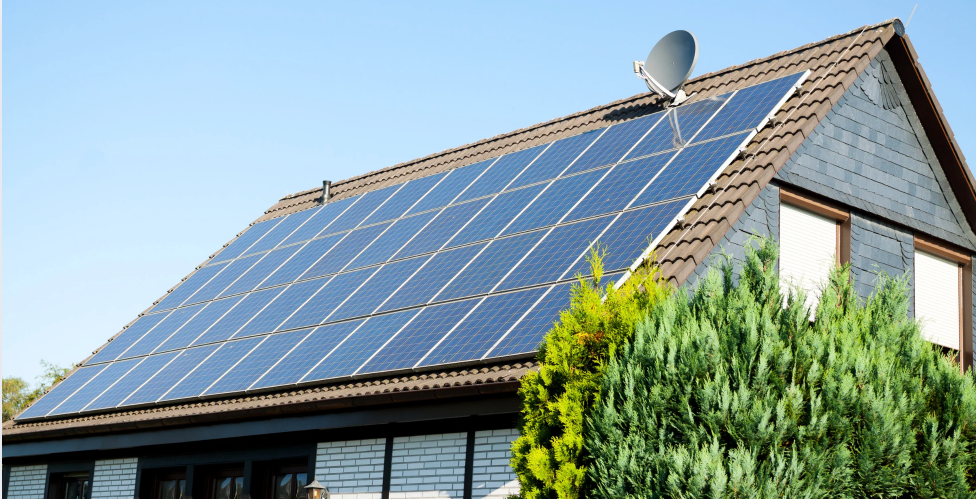
Heading into 2026, the 30% direct federal tax credit for purchasing solar is being replaced by a more complex "Lease-First" model (TPO) as national supply chain rules tighten. For most homeowners, the old "wait and see" strategy has become a liability; residential electricity rates are projected to rise by another 13%, making your current utility bill your biggest avoidable expense. With AI-driven installation tech finally hitting the mainstream, the cost to go solar is dropping, but only for those who know how to navigate the new 2026 provider landscape.
2026 Provider Battle: Which Giant Wins for Your Roof?
In 2026, the market is split between "Tech-First" automated installs and "Full-Service" concierge models. Choosing the right partner depends on whether you want a DIY digital experience or a hands-off energy plan.
Tesla Solar (Rating: ★★★★☆): Best for the budget-conscious techie. Their 2026 pricing remains the most competitive because they’ve automated the sales process.
• Pros: Seamless Powerwall integration; lowest cash price.
• Cons: Customer service is almost entirely app-based; scheduling can be slow in busy states like CA.
Sunrun (Rating: ★★★★★): The 2026 leader in "Energy-as-a-Service." They specialize in the new 2026 leasing models that pass tax savings to you through lower monthly bills.
• Pros: Excellent bumper-to-bumper maintenance; easiest way to access 2026 tax benefits.
• Cons: Higher total contract cost compared to cash buys.
Sunnova (Rating: ★★★★☆): Best for flexible financing. They offer the widest range of "Hybrid" plans that allow you to own the system but keep the service protection of a lease.
• Pros: High customization for battery backups; strong local dealer network.
• Cons: Complex contracts require careful reading of the fine print.
2026 Estimated Service & Installation Costs
While every roof is different, 2026 market benchmarks show a clear trend: smaller systems (7kW) are seeing higher per-watt costs, while larger solar-plus-storage setups offer the best long-term value.
| System Component | Estimated 2026 Price | Note |
| Standard 8kW Install | $18,000 - $22,000 | Before incentives; varies by state (CA/TX are lower). |
| Battery Storage Add-on | $8,500 - $12,000 | Essential for 2026 "Time-of-Use" utility plans. |
| Smart AI Monitoring | $0 - $500 | Usually bundled; helps optimize ROI in real-time. |
| Service Call / Repair | $150 - $350 | Hourly labor rates for non-warranty maintenance. |
The 2026 energy transition is moving faster than the grid can keep up with. While panel prices are at historic lows, the wait times for utility interconnection are starting to climb again as the 2026 "New Year Rush" begins. Taking a few minutes to compare 2-3 vetted local quotes is the only way to ensure you aren't paying a "panic premium" for your installation. Side-by-side exploration of 2026 rates allows you to lock in a provider who has the right domestic-certified hardware in stock and ready to deploy.